

On September 30, 2025, the Jacksonville History Center commemorated the 10th anniversary of the loss of the SS El Faro, with a Speaker Series program devoted to that tragedy. On the early morning of October 1, 2015, during Hurricane Joaquin, the El Faro sank while on its regular weekly passage from Jacksonville to San Juan, Puerto Rico. All 33 crewmembers were lost – 14 of them from Jacksonville.
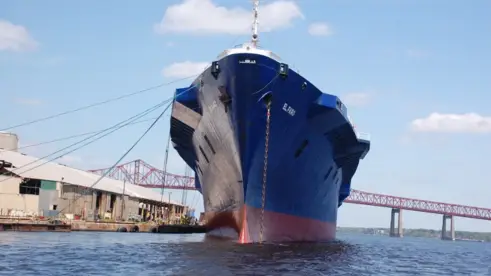
We observed the date because the story of the El Faro helps explain something important but often overlooked about Jacksonville. This is a seafaring city. The ship was a familiar sight along the St. Johns River, leaving and returning every week with cars, trucks, containers and cargo. Its Jacksonville crewmembers were licensed commercial mariners who worked at that profession while maintaining homes and families among us. Jacksonville’s maritime community is more than just the docks, cranes and assorted companies which occupy the waterfront. It includes ordinary people who shop alongside us, live in our neighborhoods, educate their children with ours, and travel the same streets the rest of us do. But the work they have chosen takes them away from land-bound society to vast places where catastrophe can strike and help is beyond reach.
The El Faro was a U.S.-built ship, registered in this country and crewed by American nationals. That was critical because of a century-old federal law, the Jones Act, that requires commercial vessels trading between U.S. ports to be American built, owned and operated. That’s why, to the 14 of our fellow Jacksonvillians who sought employment aboard the El Faro and ships like her, it was possible to be a commercial mariner and yet be able to depend on being at home every week – a rare thing for the men and women who crew seagoing ships. But 10 years ago, instead of coming home, they became part of the story of the worst U.S. maritime disaster in decades – since the 1980 loss of the SS Marine Electric, which was at least survived by three of its crew.
The events that resulted in the sinking of the El Faro were years in the making. As is always the case in such accidents, it resulted from a sequence of decisions and circumstances, the absence of any one of which might have prevented the tragedy. Four interesting, engaging, well-researched books have been published so far on the topic, each with its own perspective. All draw on the results of two major accident investigations into the loss of the ship, one by the National Transportation Safety Board and the other by the United States Coast Guard. We now know a great deal about what happened during the El Faro’s final, fatal voyage because, almost a full year later, a Voyage Data Recorder (VDR) was found and retrieved from the wreck, 15,000 feet under water. The voice transcript from the VDR then became critical to the investigators’ understanding of, not just what happened, but why.
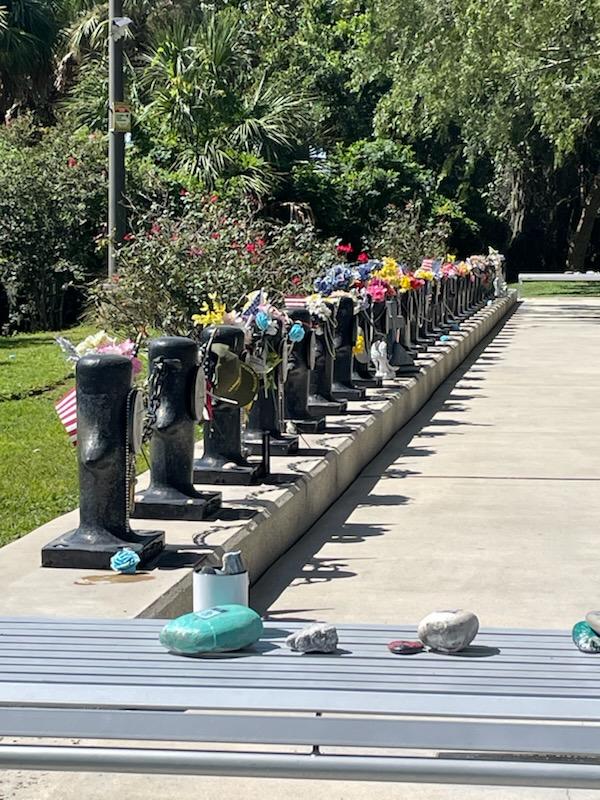
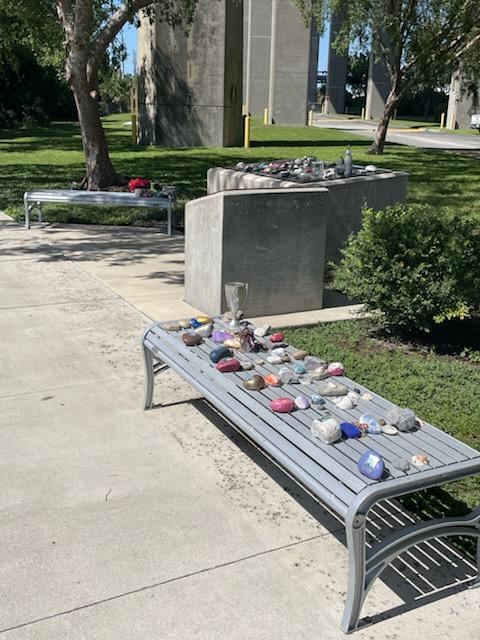
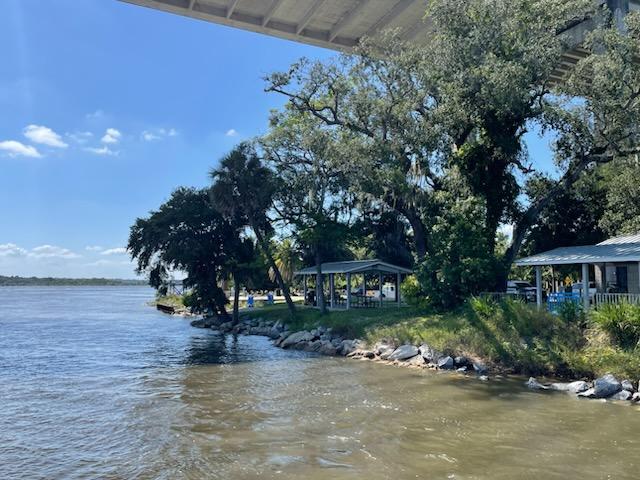
Here in Jacksonville, a memorial to all 33 sailors aboard the El Faro stands in a small, quiet, park on the bank of the St. Johns River. Thirty-three authentic bollards, like those along the nearby wharf from which the El Faro sailed, represent each sailor. A visit reveals that the friends and loved ones of those lost continue to cherish their memories and keep their story alive. The Jacksonville History Center does so, too, because their stories are among this city’s many stories – some magic and some, like that of the El Faro, hard to surpass for tragedy. Remembering them makes us more thoughtful about our lives in the present, and about the future of the seaport city from which men and women continue to sail. That is why Jacksonville’s history matters, and that is why there is a Jacksonville History Center.
Alan J. Bliss, Ph.D. | CEO, Jacksonville History Center
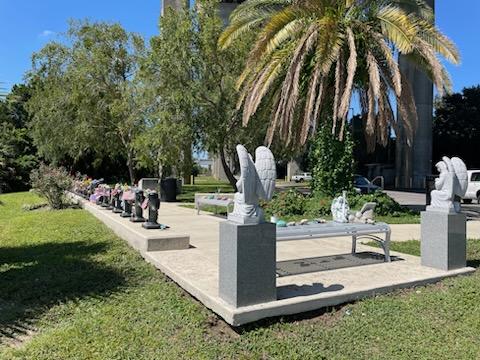
Photos by Alan J. Bliss