

As 2025 approaches its close, contemporary events sometimes resonate with those of the decade called the Roaring Twenties. A few headline topics illustrate the point: immigration, substance abuse, hurricanes, technology, racial tension, and of course that perennial, Florida’s turbulent real estate market.
In 2025, U.S. immigration policy is a subject for hot debate. So it was in 1925, after Congress passed the Immigration Act of 1924. That law placed a new limit on the number of people allowed to immigrate to the United States, based on the number of people of each nationality who had been counted in the census of 1890. The ratio was two percent, so the total number of people of each nationality in the United States, as of the 1890 national census, was the deciding factor in how many new immigrants could be allowed to enter. Under the new law, Asian immigrants were completely excluded.
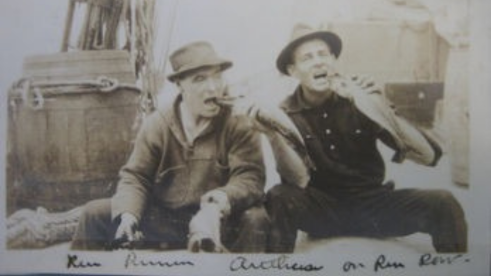
In 2025, suppressing the production and illegal importation of substances such as fentanyl have accounted for new laws and increasing law enforcement efforts. In the 1920s, local, state and federal law enforcement were engaged in a war on alcohol, owing to the Volstead Act of 1919. The Act was the federal law that implemented the 18th Amendment to the U.S. Constitution. Nicknamed “Prohibition,” the law prohibited intoxicating beverages, and gave rise to endlessly creative underground breweries and distilleries, and swashbuckling smugglers known as “rumrunners,” famously characterized by Florida boat captain Bill McCoy. In the 1920s, the fleet of U.S. Coast Guard cutters grew rapidly, in what ultimately proved to be a deeply unpopular effort to stop the production and sale of alcoholic beverages.
This month we are counting the days until the end of our current, violent hurricane season. By contrast, the 1925 season was one of the quietest on record, with just four systems that reached tropical storm force. The impacts on Florida were minimal, which encouraged speculators to make bigger and bigger bets on the state’s real estate boom. That boom was already shaky, however, owing to risky lending practices by Florida’s banks and dangerously overleveraged borrowing. In September 1926, a massive storm now known as the Great Miami Hurricane left 372 persons dead and thousands more injured and put an end to the 1920s Florida real estate boom. In 1928, worse was to come.
New technologies were disrupting the lives of ordinary citizens who sometimes feared their effects on culture and traditions. Automobiles and trucks made roads dangerous for livestock and pedestrians, and began to drive railroads and steamboats out of business. Airplanes frightened people and animals, and crashed with dismaying frequency, usually killing their pilots and passengers in dramatic fashion. Radio broadcasting spread news and entertainment faster and further than ever before, and stimulated the rise of charismatic politicians and religious evangelists.
Modernism fueled deep resistance to change. As an example, membership in white supremacist organizations such as the Ku Klux Klan grew, and the number of racial lynchings soared nationwide, including here in Duval County. Resistance also appeared in education, with the tensions between science and religion perhaps best captured in the story of the 1925 Scopes “Monkey Trial.” In September of that year, Tennessee high school teacher John Scopes was convicted of teaching evolution. The trial was the first to be broadcast over American radios and drew international attention. In the 21st century, emerging scientific knowledge continues to attract cultural and sometimes legal resistance.
As conflicted and divided as daily life in the 21st century sometimes seems, it is helpful to know that we as a society have been through this before. The events of the past do not foretell what’s yet to come, but knowing about the past explains a lot about the present, and understanding the present helps us prepare for the future. That’s the work of history and that is why history matters.
Alan J. Bliss, Ph.D. | CEO, Jacksonville History Center